
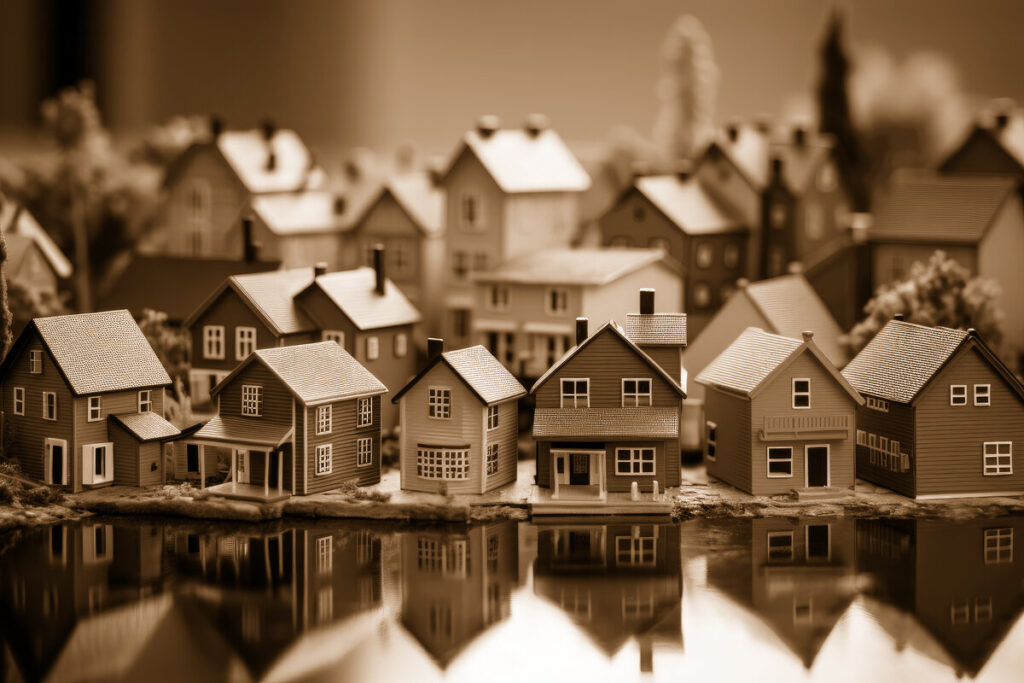
Shiloh Ridge, nestled in the heart of Garland, Texas, stands as a vibrant testament to the city's rich history and evolving community spirit. While newer residents marvel at its well-kept homes and scenic streets, those who have watched the area grow know there’s a deeper story woven into every corner. From its earliest days to the thriving neighborhood it is today, Shiloh Ridge has always been a place where heritage and progress go hand in hand.
The Origins of Shiloh Ridge
The roots of Shiloh Ridge stretch back to Garland’s development boom in the post-war era. As Dallas expanded outward in the 1960s and '70s, suburban neighborhoods began springing up along the old farm roads and rail lines that once defined rural Dallas County. Shiloh Road—an important artery running north-south and lending its name to the neighborhood—has existed in some form since the late 1800s, guiding settlers and commerce alike across what later became Garland.
The name “Shiloh” is thought to be a nod to the historic Shiloh community church that stood nearby in the mid-19th century. Early settlers, many of them cotton farmers and cattle ranchers, gathered at Shiloh Church, which was a major landmark along what is now Shiloh Road. “Ridge” was appended to reflect the gentle rises in the landscape that made the area well-suited for building. Thus, Shiloh Ridge was born—a place with both spiritual and geographic resonance.
Key Historical Milestones
- 1960s–1970s: The neighborhood began its residential growth when developers saw potential in Garland’s spacious lands and proximity to Dallas. Early construction focused on ranch-style homes and family-friendly streets like Shetland Road, Ridgegate Drive, and Camelot Street.
- 1980s: Shiloh Ridge Elementary opened, serving as a community anchor. The school quickly became a hub for block parties, holiday events, and scout meetings—cementing Shiloh Ridge’s family-oriented identity.
- 1990s: Garland’s push to modernize and improve city infrastructure brought sidewalks, improved parks, and beautification projects. Shiloh Ridge Park, tucked off Shiloh Road, became a local favorite for picnics and little league games.
- 2000s–Present: Revitalization efforts and the steady influx of new families have helped the neighborhood thrive, blending original owners with newcomers. Enhanced access to major highways and public transportation made the area even more attractive for those commuting to Dallas.
Notable Landmarks and Buildings
Shiloh Ridge is dotted with landmarks that tell the story of its past and present. While it doesn’t boast grand historic estates, its modest, well-loved institutions are central to community life.
- Shiloh Ridge Park: This pocket park along Ridgegate Drive may seem humble, but it’s been a beloved gathering spot for decades. Generations have watched fireworks, played baseball, and strolled its shady paths.
- Shiloh Road: More than just a busy thoroughfare, the road itself is historic—tracing the path of old wagon trails and later, early automobiles coming into Garland.
- Shiloh Ridge Elementary: For many residents, this school is where childhood memories are made and neighborhood bonds are forged. Its mural, painted by local students, reflects the area’s diversity and spirit.
- Nearby Religious Institutions: While the original Shiloh Church has long since disappeared, several vibrant congregations nearby continue the tradition of serving as community pillars.
Evolution Over the Decades
The story of Shiloh Ridge is one of adaptation and resilience. The area’s original charm can still be felt in its wide lots and mature tree canopies—a legacy of postwar planning that prioritized space and nature. Over the years, residents have renovated aging homes rather than tearing them down, preserving the neighborhood’s mid-century appeal.
- Integration of Newcomers: As Garland has welcomed families from all backgrounds, Shiloh Ridge has grown more diverse. Festivals held at Shiloh Ridge Park now feature foods and traditions from around the world, and many languages echo at playgrounds and sidewalks.
- Community Associations: Neighborhood groups have sprung up to organize crime watches, beautification drives, and charity events, keeping the tight-knit feel alive even as the area grows.
- Emphasis on Education and Family Life: With its proximity to parks and good schools, Shiloh Ridge remains a top choice for young families seeking both heritage and convenience.
Streets, Parks, and Institutions
No story about Shiloh Ridge is complete without mention of the key places that anchor residents’ days:
- Ridgegate Drive and Coral Cove: Known for their canopy of pecan and oak trees, these streets are host to annual garage sales and festive holiday light displays.
- Shiloh Ridge Park: Whether it’s a summer jazz concert or a winter chili cook-off, the park is the heart of the neighborhood.
- Shiloh Ridge Elementary: More than a school, it’s where neighbors become lifelong friends and community spirit is passed down.
Why Shiloh Ridge Remains Special
What truly sets Shiloh Ridge apart is its combination of continuity and change. It’s a place where families have lived for generations, yet newcomers are welcomed with open arms. There’s pride in the neighborhood’s history—visible in well-tended lawns and the careful preservation of mid-century homes. But there’s also a forward-thinking energy here, as residents embrace new ideas while honoring old traditions.
In Shiloh Ridge, history isn’t just something you read about—it’s lived every day, in conversations on the sidewalk, games at the park, and celebrations that bring everyone together. For longtime residents and new arrivals alike, Shiloh Ridge remains Garland’s hidden gem—a neighborhood where the past enriches the present, and community feels like coming home.